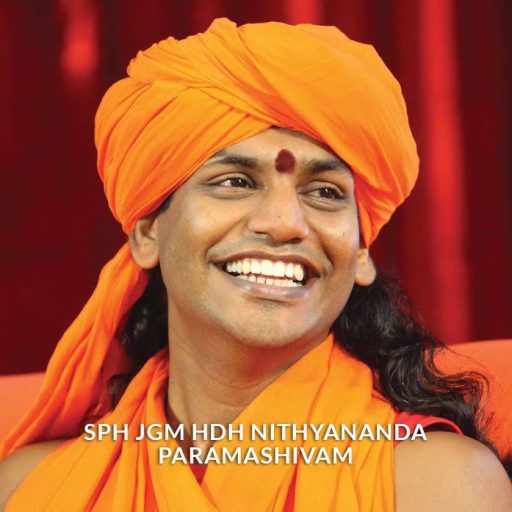
Bhagawan SPH Sri Nithyananda Paramashivam defines the mind as having three primary components, which are essential for achieving liberation and understanding the self. These three components, named chit, jata, and chit-jada granthi, are also referred to using the classical terms buddhi, chitta, and ahankara (ego). Clarity about these three components is said to liberate you.
Here are the three components of the mind:
1. Conscious Mode (Chit / Buddhi)
This is the conscious part of you, referred to as buddhi.
- Functionality: In this mode, you consciously speak and consciously listen.
- Sovereignty: When you are thinking and listening in this mode, you have a conscious sovereignty over the thinking process.
- Voice: The voice you can generate and you are listening to is this part.
2. Autonomous Mode (Jada / Chitta)
This is the autonomous or auto mode, referred to as the jata part or chitta.
- Functionality: This component goes on autonomously. In this mode, neither are you aware of the thinking, nor are you listening to it; the thinker and listener are both absent.
- Misattribution and Guilt: When thinking happens autonomously, you often own it up because it is happening in your head. Owning up to all the words which goes on in auto mode is what is called guilt.
- Impact: Even when thinking is going on in the autopilot mode, you may feel responsible for it automatically, assuming you are only talking. Non-recognizing this autopilot mode but trying to own up after the thinking is done causes extreme confusion.
3. The Dangerous Mode (Chit-Jada Granthi / Ego / Ahankara)
This component is the union of chit and jata elements, referred to as the chit-jada granthi or ego (ahankara). This is considered the dangerous mode or dangerous part of you.
- Functionality: This is the process where words seep in from delusion into your listening, but you cannot control the words. The command is generated by somebody, and you are only listening, but you believe you are generating that command and executing it.
- Control: In this space, you execute the command of your deluded part. The thinking enters your consciousness; listening happens consciously, but the thinking is not under your control.
- Impact: This part is responsible for all mess in your life. It dominates 90% of your life.
- Mistaken Identity: When taken over by anger, lust, greed, pain, insecurity, or violence, the command is generated by “somebody,” and you are only listening. You are executing somebody else’s command continuously and repenting by mistaking that command is yours. This voice of ego is the source of all maya, illusion, and delusion.
- Nature: This separate self, the ego, is not actually an entity but a process—something your organism is doing, but not something your being is.
 KAILASA's Words of Eternal Bliss, Nithyananda!
One response to “Three components of Mind”
Wonderful! Please keep sending them.
LikeLike