Category: Bhagavadgita
-
When one understands this difference between what is eternal, nitya, and what is ephemeral, anitya, one becomes a seer and knower of Truth.

Kṛṣṇa says that the sensory experiences, mātrā-sparśhaḥ are all temporary. Feelings of hot and cold, śītoṣṇa, sweet and sour, wet and dry, experiences of pain and pleasure, sukha-duḥkha, as well as other experiences of like and dislike are all temporary, anityāḥ. These experiences do not affect the centered person who is qualified to be enlightened,…
-
Sāṅkhya does not speak about God, because completion itself is given the place of God.

Please listen! Anything which does not allow, anything which stands in between you and the present moment, acting as a barrier; which does not allow you to connect completely with life and with other people in your life in the present moment, is what I call incompletion. So, the first thing you need to do…
-
You were there in the past, you are in the present and you will be in the future; you do not die. You existed before birth and will remain after death. Whatever dies, can never live. Whatever lives can never die.

Sañjaya says Kṛṣṇa was smiling as He uttered these words. Kṛṣṇa must have been laughing at Arjuna. ‘You fool; you pretend to be wise and quote the scriptures.Who do you think you are quoting the scriptures to? What can you understand of what I Myself have said?’ Kṛṣṇa continues: ‘Never was there a time when…
-
The first idea with which Krishna is sorting out Arjuna’s problem is Sankhya Yoga. He is a person established in the knowledge of completion!
Even though it is written here in the past tense, I feel Kṛṣṇa should always be addressed in the present tense. He is still relevant, present to each of us today. We cannot say, ‘Kṛṣṇa was’ but ‘Kṛṣṇa is’, not ‘Kṛṣṇa said’ but ‘Kṛṣṇa says.’ Once again, having lamented about what he is being forced…
-
It is this readiness to surrender to the Master that brings completion to Arjuna and enriches him to take the responsibility to win the war, which in reality is the war within himself.
Despite what Kṛṣṇa had said with total clarity, that Arjuna should get up and fight, Arjuna now recounts all his previous arguments. It is as if he had not listened to Kṛṣṇa at all. To become a Sannyāsi, Śrī Kṛṣṇa says, ‘Go to Sannyāsa out of completion.’ Bhagavān is only saying one thing, ‘Out of…
-
Understanding the divinity of Kṛṣṇa is a step to intranalysing and living one’s own divinity.

There are two ways in which people react to the sanctity and divinity of Kṛṣṇa in Bhagavad Gītā. To one set of people, Kṛṣṇa has no special qualification to be called divine and these people may not even believe in anything such as the Divine. As atheists or agnostics, the only way such people can…
-
When we verbalize, analyze, label and associate our patterns as impossibilities, we have created a whole new problem that had not existed earlier in our being.

Here all the verses of the Gītā are reduced to just two verses by Kṛṣṇa. He straightaway addresses and completes the root pattern where Arjuna is stuck, that is in his need for name and fame or rajas. A man who is centered on satva, goodness, who has neither greed nor lethargy but a neutral…
-
Continuously human beings resist expansion. Incarnations happen on the planet to remind human beings about their possibilities, to expand human consciousness!
All our depression, worry patterns are nothing but root pattern of a deep fear of life, a deep self-doubt, fear of expansion and fear of losing something. You need to stand up and complete with your root thought patterns to be rid of them. Please understand, even your ignorance is nothing but your fear of…
-
Tyaktvottiṣṭha Parantapa

Arjuna was distraught with pity and despair. His pity was for his opposition that consisted of his svajanam: kinsmen, elders, teachers, relatives and friends. He despaired at the thought of what would happen if he did have to kill them. He had collapsed in his chariot and his bow and arrow had slipped from his…
-
Whenever you listen to you, you listen to others. When you don’t listen to others, you don’t listen to you also.

Listen! Please come to the space of listening. Many teachers tell you, ‘However much you listen, unless you practice, it won’t help you.’ I tell you now, ‘However much you try to practice, unless you listen, it won’t help you!’ The problem is that we do not trust ourselves and our innate intelligence to respond…
-
When was the last time you really listened to your own words?
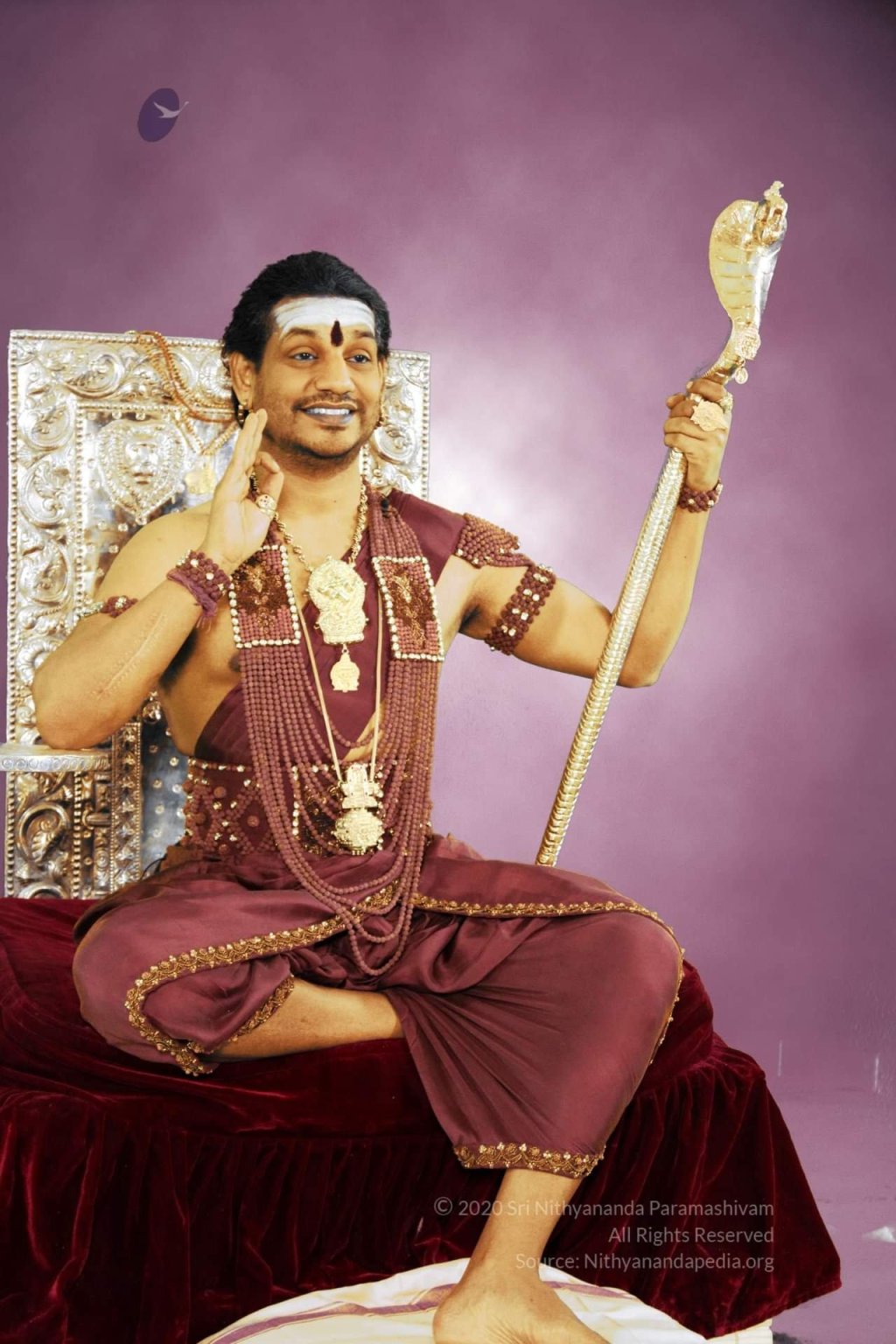
It is here that we enter into the real Gītā. It is from here that Bhagavān or God, Nārāyaṇa starts speaking and singing the Gītopaniṣad into the listening of Nara Arjuna, and through Arjuna into the listening of the whole of humanity. Until now Kṛṣṇa was speaking as a man, as Vāsudeva Kṛṣṇa, in His…
 KAILASA's Words of Eternal Bliss, Nithyananda!